
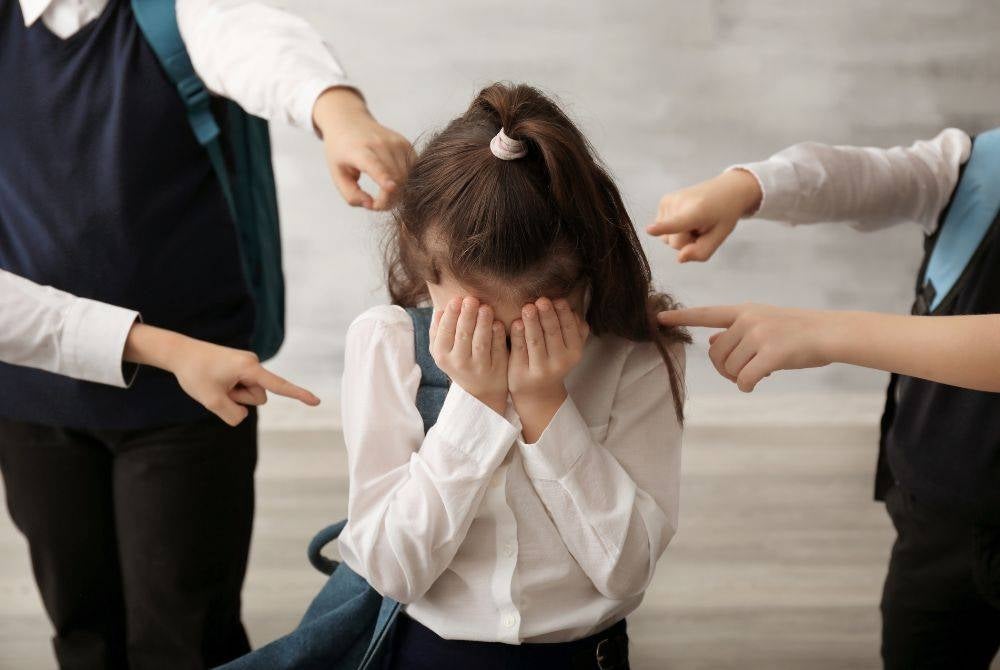
Can parents really be held responsible if their child is a bully?


When a child bullies another child, should the responsibility stop with the child?
Malaysia's Anti-Bullying Act 2026 says not necessarily.
The new law allows parents or guardians to be held accountable in certain circumstances for bullying committed by their children, reflecting a growing recognition that families play an important role in shaping a child's behaviour.
In an interview with The Star, Associate Professor Dr Nadzriah Ahmad, Chairperson of Universiti Teknologi MARA's Child Law Centre said the law could encourage parents to become more involved in their children's daily lives, including how they behave online.
"Parents need to be consciously aware of their children's online activities and whether such exposure is harmful to them or otherwise," she says.
As bullying increasingly happens through social media, messaging apps and online platforms, she believes parents should pay closer attention to children's digital lives as well as changes in their behaviour.
However, she stresses that preventing bullying cannot rely on families alone and requires close cooperation between parents, schools and the wider community.
Criminologist Dr Haezreena Begum Abdul Hamid agrees that parental accountability may encourage earlier intervention when warning signs appear, but cautions against placing the burden entirely on parents.
"Bullying is a complex behaviour influenced by a range of factors, including family relationships, peer groups, school culture, social media and broader societal influences," she says.
She adds that while parents have an important role to play, lasting change will depend on a broader approach that includes education, prevention, early intervention and support for children and families.
Source: The Star