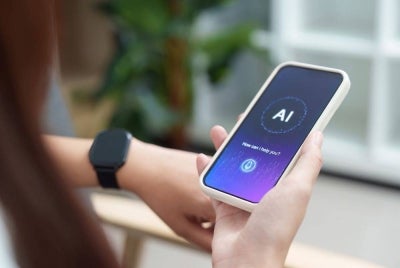

Social media use over two hours linked to teen depression


TikTok, Instagram, Snapchat and WhatsApp are no longer simply apps on a phone.
They function as social environments where friendships are maintained, identities are shaped and social status is constantly negotiated.
Increasingly, researchers are asking whether these digital environments are influencing how a generation thinks, feels and copes.
A major longitudinal study led by Australia’s Murdoch Children’s Research Institute (MCRI), published in the Medical Journal of Australia, found that higher social media use is associated with increased depressive symptoms among adolescents, with stronger effects seen in heavier daily users.
The findings add to a growing body of evidence suggesting digital habits may be linked to shifts in teen emotional wellbeing.
Across studies, a recurring threshold appears at around two hours of daily use. Beyond this point, risks of poorer wellbeing and depressive symptoms tend to rise, raising concerns about what has become a normalised part of teenage life.
Experts stress that the issue is not only time spent online, but the emotional environment within it.
Social media platforms are built on comparison. Curated images of idealised bodies, lifestyles and friendships create a constant highlight reel that can distort reality.
For adolescents still forming identity and self-worth, this can intensify anxiety, inadequacy and emotional instability.
Sleep disruption adds another layer. Late-night scrolling has become routine for many teenagers, reducing rest essential for mood regulation and cognitive development.
Cyberbullying and online harassment further compound the problem, turning digital spaces into sources of emotional strain.
In Malaysia, these global concerns sit on top of deeply embedded digital habits.
According to UNICEF Malaysia’s Our Lives Online report, nine in 10 children aged five to 17 are internet users, while about 92 per cent of students aged 13 to 17 have social media accounts. The 2020 study remains one of the most comprehensive snapshots of children’s digital behaviour in the country.
It found that social media is central to teenage life. Malaysian adolescents use platforms for communication, entertainment, information and identity-building.
Many maintain multiple accounts to manage different social circles, separating friends, family and romantic relationships online.
The report also highlights how online interactions are woven into emotional development. Friendships, trust and belonging are increasingly shaped through screens, influencing how young people perceive themselves and others.
However, UNICEF also flagged risks, including cyberbullying, exposure to harmful content and broader online safety concerns.
While digital platforms offer opportunities for learning and expression, they also introduce vulnerabilities that can affect mental wellbeing.
More recent national indicators suggest these concerns remain relevant. Youth mental health surveys in Malaysia continue to report rising psychological distress among adolescents, alongside persistent cyberbullying and peer pressure.
Social media is not identified as a sole cause, but it is increasingly seen as part of a wider ecosystem influencing youth wellbeing.
However, research also shows that not all social media use carries the same impact. Active engagement such as messaging friends or participating in communities is generally associated with more positive outcomes compared to passive scrolling, which is more closely linked to loneliness and negative social comparison.
At the same time, platform design plays a role. Infinite scroll and algorithm-driven feeds are engineered to maximise engagement, making it harder for teenagers to disengage.
For a generation still developing emotional regulation and impulse control, this design can intensify patterns of overuse.
Social media is also deeply tied to belonging. For many teenagers, being offline can mean missing conversations, trends and social interactions happening in real time - creating a paradox where the same platforms linked to emotional strain are also where connection is maintained.