
New tricks up their sleeve


When Australia made headlines with a world‑first social media ban for users under 16, forcing platforms like TikTok, Instagram, Snapchat, YouTube and Facebook to block teen accounts lawmakers said the goal was simple: protect children from online harms.
But two months in, the reality on the ground or rather, in teens’ pockets, tells a very different story.
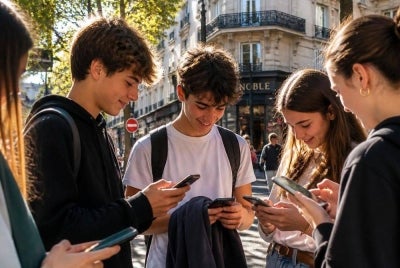
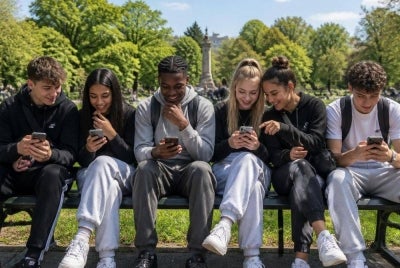
For many young Australians, logging off simply isn’t an option. Instead of disappearing from feeds, teens are outsmarting the restrictions with surprisingly resourceful tricks.
How teens are staying online
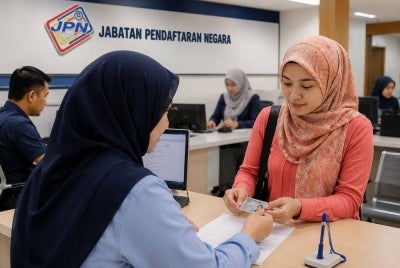
The heart of the ban is age verification: social media platforms are now required to use systems that estimate or check a user’s age before granting access. But in practice, these systems have proven far from foolproof.
Some under‑16s have managed to convince age‑verification technology they’re older by manipulating their appearance. They are doing things like scrunching their face, hiding features, or even applying makeup that confuses facial scanning software. In multiple cases, teens who are 13 or 14 have been able to get verified as 18 or older.
According to media reports, others have used more straightforward workarounds, like borrowing parents’ dates of birth or IDs to slip through the checks and stay logged into their favourite apps, or moving their social lives onto alternative platforms and gaming networks that aren’t included in the ban’s list.
Across social feeds and comment sections, many teens are openly celebrating these loopholes with posts like “still here, ban didn’t work” cropping up on banned platforms themselves.

No penalties, just persistence
One of the curiosities of the Australian law is that there are no penalties for children or parents who continue to access social media in defiance of the ban; the responsibility for enforcement lies squarely with the platforms themselves.
That has created an odd situation: tech companies must try to block these users or face fines of up to A$49.5 million (about RM134 million) for non‑compliance, but many teens are still finding ways around the protections being put in place.
For families watching this unfold, the effect can seem almost inevitable. Teenagers have grown up immersed in social platforms where friendships, school groups and everyday conversations happen online so when a ban suddenly cuts off access, the instinct isn’t to disconnect; it’s to adapt.
What Australia’s experiment reveals so far is less about whether teens should be online and more about just how deeply embedded these platforms are in young lives, and how resourceful teens can be when they’re determined to stay connected.