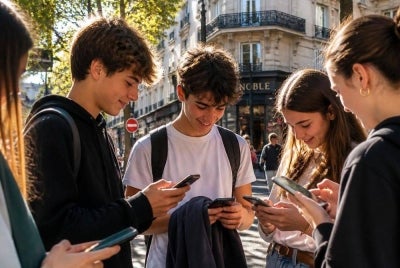

Children still easily exposed to scams and execution videos on social media


An investigation reveals how minors continue to bypass age checks and encounter harmful content online despite stricter safety measures.
Children remain just a few clicks away from disturbing material online, with new findings showing that scams, violent footage and even escort advertisements can still be accessed despite stricter digital safety laws.
An investigation by cybersecurity firm Malwarebytes found that minors were able to bypass age-verification systems across several major platforms using simple tricks such as falsifying birth dates, browsing without accounts or creating temporary guest profiles. While technology companies have introduced tighter restrictions in recent years, researchers say gaps remain between policy and real-world online behaviour.
Safety laws face real-world loopholes
The Online Safety Act required websites and apps hosting adult material to introduce stronger age checks, including identity verification through official documents. Since then, platforms have rolled out teen-restricted accounts, enhanced privacy settings and facial age checks aimed at limiting contact between adults and younger users.
However, Malwarebytes senior researcher Pieter Arntz said accessing harmful content was often “very easy”, adding that curiosity and basic searches were sometimes enough to uncover toxic communities.
On gaming platform Roblox, adults can unlock additional chat features after verifying their age, but researchers found that underage users could still locate groups linked to fraud through community searches. One example flagged was Fullz Ent., a group presenting itself as a clothing community but using terminology commonly associated with stolen personal data in cybercrime circles.
Harmful material accessible without logging in
The investigation also highlighted how inappropriate videos on YouTube could be viewed without signing into child-restricted accounts. By creating a guest profile, researchers were able to watch footage shared by a French news outlet showing the execution of a Tunisian ISIS member, alongside tutorials linked to financial scams.
Similar loopholes were identified on other platforms. Malwarebytes said adult-themed content on Twitch and TikTok could be accessed simply by declaring an age above 18. In one instance, investigators reached a Twitch account promoting “call-girl services” in India, which directed users to external escort listings.
Even platforms with enhanced teen protections were not immune. On Instagram, accounts promoting financial fraud remained searchable through teen-restricted profiles designed for users aged between 13 and 17.
Tech-savvy users outpace digital safeguards
Arntz stressed that the findings do not necessarily point to failure by any single platform. Instead, they reflect a growing gap between rapidly evolving online behaviour and the systems built to regulate it.
According to the researchers, some teenagers are already experimenting with AI-generated documents to bypass identity checks. The larger issue, he said, lies in age gates that rely heavily on self-reported information in an online environment where anonymity is effortless.
Without stronger digital identity verification or consistent parental supervision, such safeguards risk functioning more as legal compliance measures than genuine protection for young users.
Platforms respond to concerns
Roblox said it is moving beyond self-declared age checks and continues to expand safety tools, including stricter chat filters and rapid enforcement against illegal activity. Twitch also said it is increasing investment in youth safety systems, using automated monitoring and behavioural signals to detect potential violations around the clock.
Google, TikTok and Meta have been approached for comment.