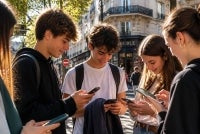

Australia’s social media ban: What do teens really think?


Australia’s move to restrict social media access for teenagers has reignited global conversations about online safety, digital freedom and growing up in a hyperconnected world.
For Muhammad Irfan Zamiri and his mother, Norazah Zain who have been living in Australia for more than a decade, the issue hits close to home.
“I don’t think it’s fair. Some people say it’s good because it keeps teenagers away from predators. But the downside is that you can’t stay connected with friends, especially friends who live far away,” he said.
Social media, he explains, plays a big role in his everyday life. It’s how he stays in touch with friends and keeps up with his interests, including aviation.
Without it, he believes he would feel isolated. “Communication with friends would change the most. Without social media, people would get bored, feel lonely, and it would be harder to connect over shared hobbies.”
From a parent’s point of view, Norazah understands why the government is stepping in.
“As parents, we don’t always know what our children are exposed to online. Some content can be harmful, so control is important for protection,” she said.
She also recognises the emotional role social media plays in teen life. “Without social media, they can feel more stressed. It’s how they spend their free time and see the world outside their immediate environment,” she said.
Norazah believes the issue isn’t black and white. While she supports guidance and limits, she acknowledges that social media helps teenagers connect, especially in a controlled environment where independence is already limited.
The debate reflects a larger parenting dilemma faced around the world: how to keep teenagers safe online without cutting them off from connection, creativity and the digital spaces that shape modern youth culture.