
Teens are turning to AI Chatbots for mental health


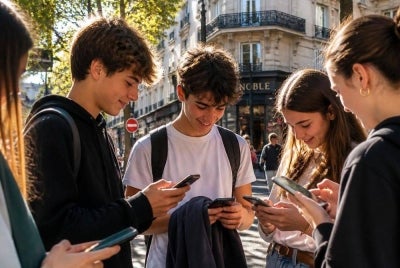
Teens today have a new kind of 'friend'. It’s one that lives in their phones and listens without judgment.
AI chatbots like ChatGPT and Google Gemini are increasingly being used by young people to talk about stress, anxiety, or just the ups and downs of daily life.
A recent Pew Research survey in the United States found that around 64 per cent of teens aged 13 to 17 have tried AI chatbots, with nearly 30 per cent using them daily.
While these numbers highlight a growing trend among American teens, similar patterns are emerging worldwide.

In the UK, one study found that one in four teenagers had used chatbots for mental health support at least once in the past year, with higher use among teens dealing with stress, trauma, or feelings of isolation.
So why are chatbots so appealing? Many teens find it easier to open up to a 'friend' that won’t judge or share their secrets.
Long waiting lists for therapy, the worry of being misunderstood, or fear of worrying parents can make talking to adults intimidating.
Chatbots are available 24/7, offer privacy, and let teens express their thoughts anytime. One teen described it as "just easier than talking to adults,” reflecting the comfort and immediacy these tools provide.

Early research suggests chatbots can help teens manage stress, anxiety, and loneliness. A 2025 study found that 13 per cent of adolescents and young adults had used AI to cope with emotional distress, often feeling heard and less alone.
But experts caution that chatbots are not substitutes for real therapy. They may miss signs of serious mental health conditions, rarely guide teens toward professional help, and excessive reliance can reduce face-to-face social interaction.
In some cases, teens can become emotionally dependent on AI, which may increase feelings of isolation.
While AI chatbots can be a helpful stop-gap, they should never replace human support.
Encouraging open conversations, checking in regularly, and making professional help accessible remain essential.
Teens need both worlds: the safety of AI when needed and the irreplaceable support of real-life friends, family, and professionals.