
Why are more young South Koreans choosing to become 'full-time children'?


For many young South Koreans, achieving financial independence has become increasingly difficult. With stable jobs harder to secure and housing costs continuing to rise, more young adults are choosing to remain at home rather than move out.
Instead of being financially independent, some have adopted a lifestyle known as the "full-time child" – a term adapted from the Chinese phrase *quanzhi ernu*.
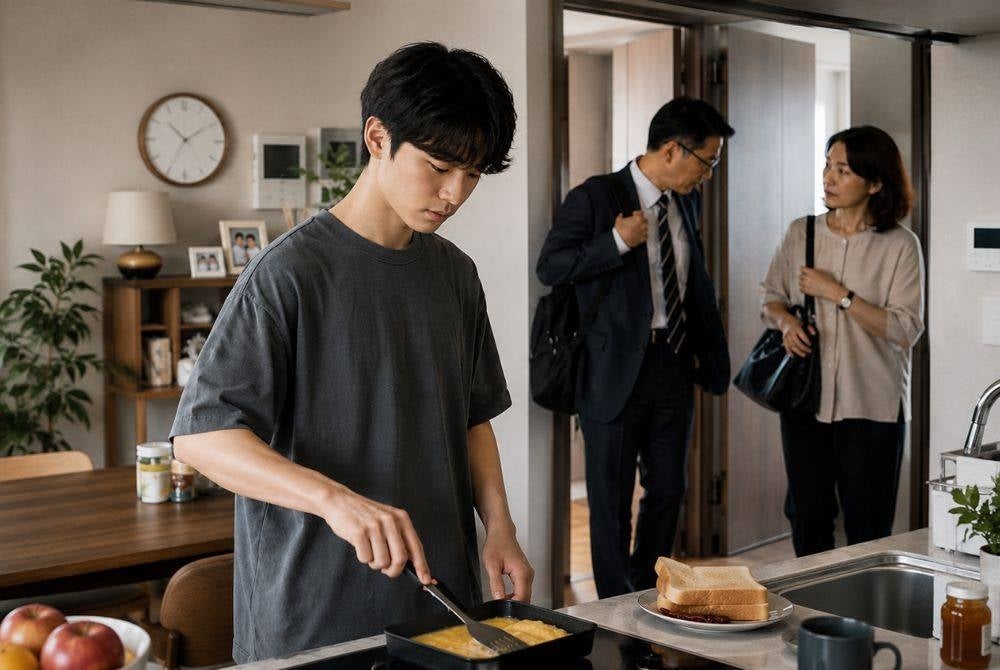
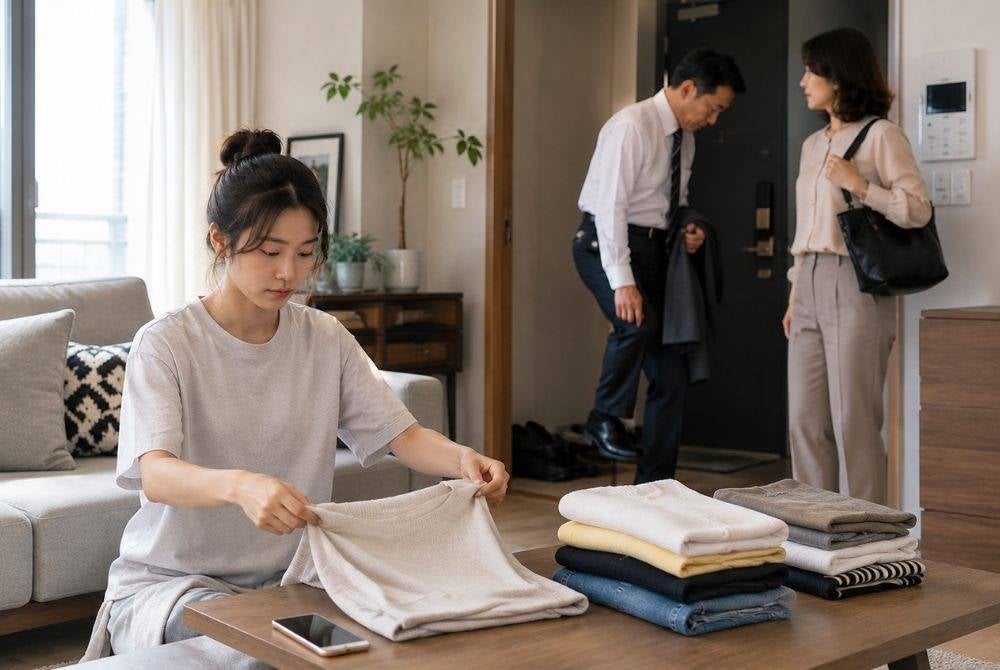
The term refers to unemployed or economically inactive adults who live with their parents while taking on household responsibilities such as cooking, cleaning, grocery shopping and caring for ageing family members. In return, they receive financial support or free accommodation.
The trend has gained traction on South Korean social media, where many young adults share their daily routines, from preparing meals and doing housework to accompanying their parents to hospital appointments and running errands.
Unlike South Korea's long-standing "kangaroo generation", which describes adults who remain financially dependent on their parents, full-time children argue that they contribute to the household through unpaid domestic work and caregiving.
According to Jeon Young-soo, a professor at Hanyang University's Graduate School of International Studies, the phenomenon reflects the country's current economic climate rather than a lack of ambition among young people.
He said rising youth unemployment, slow economic growth and inflation have created circumstances in which remaining at home has become a practical way for many families to support one another.
Recent government data showed the number of employed people aged between 15 and 29 fell by 255,000 compared with a year earlier, while the youth employment rate dropped to 43.8 per cent.
Meanwhile, housing remains expensive, particularly in Seoul, making it difficult for many young adults to afford living independently.
A government survey published last year found that 54.4 per cent of South Koreans aged between 19 and 34 were still living with their parents. Research by the Seoul Institute also showed that the number of adults remaining in the family home has increased steadily over the years.
Supporters believe the arrangement benefits both generations. Parents receive help with household management and caregiving, while adult children are able to reduce living expenses and maintain close family ties.
Critics, however, argue that spending long periods outside the workforce could make it harder for young adults to secure employment in the future. Others believe the arrangement depends heavily on parents' financial stability and may not be sustainable in the long term.
Jeon said the trend should be understood as a structural issue driven by demographic changes, labour market challenges and the rising cost of living, rather than simply a personal choice made by young people.