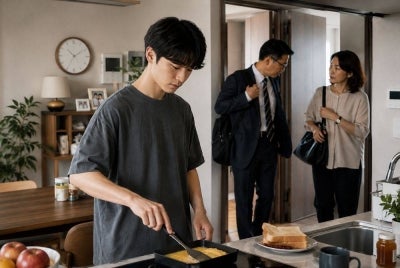

6 teenage habits that test every parent's patience


Parenting a teenager can sometimes feel like speaking a completely different language. One moment they're chatty and affectionate, and the next they're rolling their eyes, disappearing behind a phone screen or insisting they know better.
While these habits can leave parents feeling exhausted, experts say adolescence is a period of rapid emotional, social and cognitive development. As teenagers navigate their journey towards independence, some challenging behaviours are almost inevitable.
Here are six habits many parents will recognise—and why they happen.
1. They think they know better
It's not unusual for teenagers to dismiss their parents' advice, even when it's well-intentioned. Suggestions that once seemed helpful may suddenly be met with eye rolls or disagreement as they begin forming their own opinions and identity.
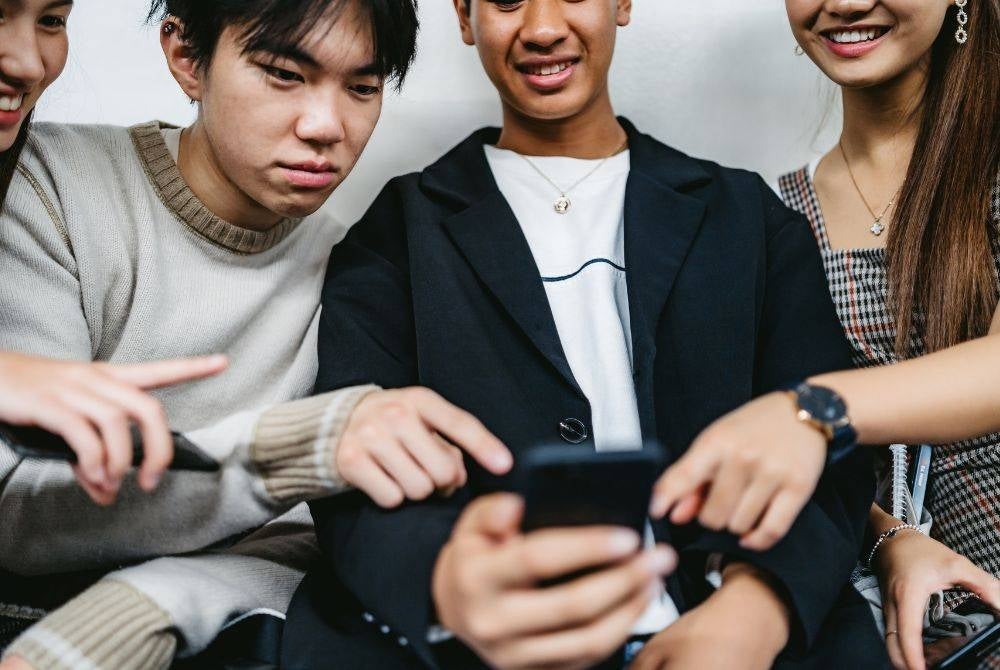
2. Their phone rarely leaves their hand
Whether they're messaging friends, watching videos or scrolling through social media, many teenagers spend a significant amount of time on their phones. For them, it's more than entertainment—it's where much of their social life happens.
3. Every conversation ends with one-word answers
Ask how their day went and you'll probably hear "fine", "okay" or "nothing". While these brief responses can be frustrating, many teenagers simply prefer opening up on their own terms rather than answering direct questions.

4. They constantly test the rules
Curfews, screen-time limits and household rules often become topics of negotiation. Teenagers naturally push boundaries as they seek greater independence, even if it means testing their parents' patience along the way.
5. They forget the things that matter most
They can remember every lyric to their favourite song but somehow forget to take out the rubbish or finish their homework. Developing routines and managing responsibilities takes time, which is why reminders often become part of daily family life.

6. Small problems can feel like the end of the world
A disagreement with a friend, a cancelled plan or an unanswered text can trigger an emotional response that seems disproportionate to adults. However, teenagers are still developing emotional regulation, making their reactions feel far more intense in the moment.