
Kids in the UK are drawing fake moustaches to bypass social media age checks


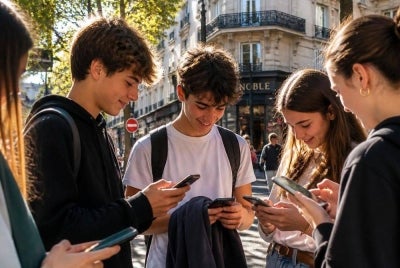
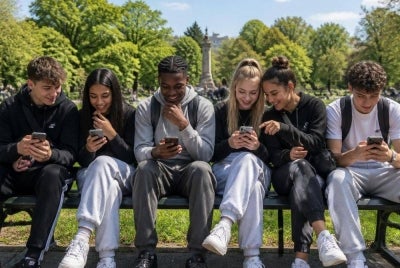
Children in the UK are reportedly finding increasingly creative ways to bypass social media age checks, with some even drawing fake moustaches on their faces to appear older online.
A new report by Internet Matters, based on a survey involving more than 1,000 children and parents across the UK, found widespread awareness of loopholes used to access restricted platforms.
In one example shared in the report, a mother revealed her 12-year-old son used an eyebrow pencil to draw a moustache before completing a facial age-estimation check.
The platform reportedly verified him as 15.
The findings reflect how quickly younger users are adapting to digital safety measures designed to limit underage access to social media platforms.
Many respondents said online age checks were relatively easy to bypass, while some admitted they had personally used workarounds to continue accessing restricted apps.

Beyond fake facial hair, children and teenagers were also found using other methods such as VPNs to hide their location, reactivating older accounts and interfering with facial recognition systems.
Some of these methods were reportedly being shared openly online through forums and social media discussions.
Similar concerns have also emerged in Australia, where a recent survey found many teenagers were still actively using social media despite tighter restrictions being introduced.
TikTok, Instagram and YouTube remained among the platforms most commonly accessed by underage users.

At the same time, tech companies are stepping up efforts to improve age detection systems using artificial intelligence (AI).
Meta recently announced expanded measures aimed at identifying underage users through profile behaviour, images, videos and other age-related digital signals.
The company also plans to strengthen systems preventing younger users from reopening removed accounts.
Still, the growing trend has sparked wider conversations among parents and educators about whether digital restrictions alone are enough to keep children safe online.
For many families, the challenge today is no longer just about blocking access, but helping children build healthier and safer relationships with technology from an early age.