
Pressure mounts on social media giants


Social media giants including Instagram, Snapchat, TikTok and YouTube are once again under scrutiny, this time in Australia.
Pressure is building on some of the world’s largest platforms as authorities step up enforcement of the country’s ban on users under the age of 16.
Facebook and YouTube are among those being investigated, with regulators questioning whether enough has been done to keep younger users off their platforms.
Australia’s eSafety Commissioner, Julie Inman Grant, said there were “significant concerns” about compliance, particularly when it comes to preventing new under-16 accounts from being created.
While some initial steps have been taken, she indicated they may fall short of what is required under the law.
“As a result, we are now moving into an enforcement stance,” she said, adding that platforms have the capability to comply and are expected to do so.
The legislation, described as one of the toughest of its kind, places full responsibility on social media companies to ensure users in Australia are at least 16 years old.
In response, some platforms have proposed using artificial intelligence to estimate users’ ages based on images, while others may require official identification.
However, such measures have also sparked concern.
Critics warn that stricter controls could introduce new risks, particularly around privacy, as more personal data is collected and stored.
At the same time, tech companies argue that blanket bans may not achieve their intended outcomes.
Meta has previously suggested early signs indicate the law may fall short in improving the safety and wellbeing of young users, while also raising concerns that teenagers could be pushed towards less regulated corners of the internet.
Online forum Reddit has gone further, launching a legal challenge against the legislation, calling it “legally erroneous”. The case has yet to be heard in Australia’s High Court.
Despite the pushback, Australia’s move is gaining global attention.
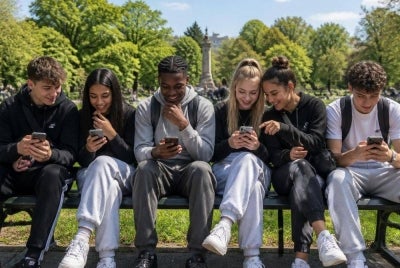
Countries including Malaysia, France, New Zealand and Indonesia are now exploring similar measures, reflecting growing unease over the impact of social media on younger users.
A growing body of research has linked excessive time online with declining mental wellbeing among teenagers, adding urgency to calls for tighter regulation.
Still, the debate remains far from settled.
Efforts to limit access may address some risks, but they also raise questions about unintended consequences, from isolation to reduced access to online communities.
As regulators, tech companies and policymakers continue to clash, the challenge now lies in finding a balance between protecting young users and recognising how deeply social media is already part of their daily lives.