

Malaysia’s growing child obesity crisis


Childhood obesity is no longer a distant global concern, it is rapidly becoming a pressing reality for Malaysian families.
A new international report has sounded the alarm: the number of children living with obesity worldwide is rising at an unprecedented pace, and Malaysia is firmly within the danger zone.
According to the latest World Obesity Atlas 2026, childhood obesity is climbing across the globe, with projections showing that the number of children aged five to 19 living with obesity could reach 228 million by 2040. In 2025 alone, 177 million children worldwide were already living with obesity, a figure expected to rise significantly in the coming years.
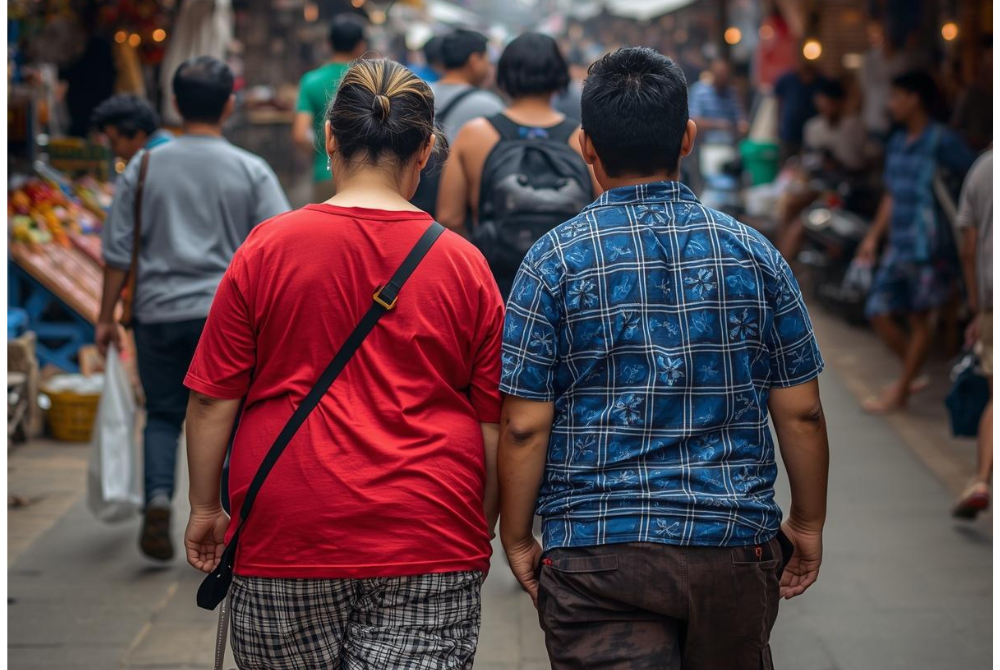
Experts warn that the trend is accelerating fastest in low and middle-income countries, where rapid urbanisation, lifestyle changes and food environments are reshaping how families eat and live.
The implications are enormous not just for healthcare systems, but for the long-term well-being of an entire generation.
“Without urgent action, rising obesity rates will place growing strain on health systems, communities, and future generations,” Simón Barquera and Johanna Ralston from the World Obesity Federation wrote in the report.
The report also stresses that the consequences of childhood obesity extend far beyond weight gain.
Children with unhealthy weight levels are significantly more likely to develop chronic diseases later in life, including heart disease, diabetes and certain cancers.

A troubling picture for Malaysia
For Malaysia, the numbers are particularly concerning.
More than 2.85 million Malaysian children aged five to 19 were overweight or living with obesity in 2025, according to the same report released on World Obesity Day recently.
The long-term health risks are stark. Projections suggest that by 2040, 305,000 Malaysian children may show early signs of hypertension, while 382,000 could develop signs of cardiovascular disease.
This growing trend places Malaysia among countries facing serious future health challenges if preventive action is not strengthened.
Across Southeast Asia, the situation is expected to intensify even further. The Atlas estimates that by 2040, around 40 million children aged five to 19 in the region could be living with obesity, while those with high body mass index (BMI) could reach 101 million.
Such numbers signal a major shift in public health priorities.
The increase in childhood obesity worldwide shows we have failed to take seriously a disease that affects one in five children,” said Ralston who is the World Obesity Federation chief executive.

“Governments urgently need to step up prevention and management efforts for children living with overweight and obesity, and ensure that they receive the care they need.”
Why the numbers are rising
The surge in childhood obesity is linked to a complex mix of lifestyle and environmental factors.
These include poor dietary habits, lack of physical activity, increased screen time, and the widespread availability of ultra-processed foods. Early-life influences such as maternal health, infant feeding practices and school food environments also play a significant role in shaping children’s long-term health outcomes.
In Malaysia, these global trends are playing out against a uniquely local backdrop. Busy urban routines, long school hours and easy access to inexpensive, calorie-dense foods have quietly reshaped the way many families eat and move.
From sugary drinks and late-night suppers to hours spent on digital devices, daily habits have gradually shifted away from the more active lifestyles many parents grew up with.
Health experts say the problem cannot be solved by families alone. Policies around food marketing, school nutrition, physical activity and healthcare access must work together to create healthier environments for children.
But the conversation increasingly begins at home and in the small choices families make each day about food, movement and time spent together.
We live in a country where food is deeply woven into culture and social life. Rethinking those habits may be one of the biggest challenges but one of the most important steps in protecting the health of the next generation.