UK to announce midnight social media curfew for teenagers


For many parents, getting teenagers to put their phones away at bedtime can feel like a nightly negotiation.
Soon, teenagers in Britain may find that boundary built directly into their social media apps.
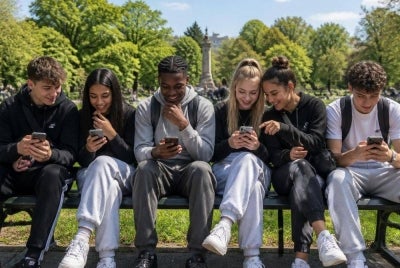
Under new government plans, 16- and 17-year-olds would be blocked from using social media apps between midnight and 6am unless they actively change the default setting.
The measure will sit alongside wider plans to ban social media for children under 16.
A healthier default for teenagers
The restrictions are designed to avoid a sudden shift from a complete ban to unrestricted social media access when teenagers turn 16.
Features designed to keep users scrolling for longer, including videos that automatically play one after another, would also be switched off by default.
“These measures will be crucial in helping young people get the sleep they need, focus on school and college, and spend more quality time with family and friends,” technology minister Liz Kendall said.
A recent study found that social media restrictions led to improvements in sleep, concentration and wellbeing. An overnight curfew was also found to be one of the easiest measures for families to maintain, with the most consistent benefits for sleep.
For parents, default settings could offer extra support. Instead of bedtime boundaries coming only from Mum or Dad, the technology itself creates a pause.
Part of a wider conversation
Britain’s move reflects growing global concern over the effects of social media on young people’s mental and physical wellbeing.
Australia has already introduced a social media ban for children, although questions remain over the effectiveness of age-verification systems.
The first UK regulations are expected to be presented to parliament by the end of this year, with the measures planned to come into force in spring 2027.
A midnight curfew may not solve every challenge of raising teenagers in a digital world. But if young people struggle to stop scrolling, perhaps the platforms designed to keep them online should also help them switch off.