
When “just puberty” deserves a second look


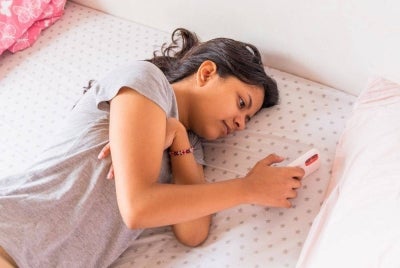
For many teenage girls, early hormonal changes are often brushed aside as part of growing up.
A missed period, stubborn acne, or sudden weight changes are frequently explained as “just puberty.”
But Prince Court Medical Centre Consultant Obstetrician & Gynaecologist and Fertility Specialist Dr Maiza Tusimin says this assumption can sometimes delay important diagnosis and care.
Malaysia still lacks strong nationally representative data on polycystic ovary syndrome (PCOS) among adolescents.
However, global estimates suggest adolescent PCOS may affect between 1.14 per cent and 11.04 per cent of girls. While PCOS affects around 10–13 per cent of women of reproductive age globally, many cases remain undiagnosed, particularly during the teenage years.
“Many teenagers remain undiagnosed or misunderstood because symptoms such as irregular periods, acne or weight changes are often dismissed as normal puberty,” says Dr Maiza.
“While some cycle irregularity can be normal in the first few years after menarche, persistent symptoms may signal an underlying hormonal and metabolic imbalance that deserves attention earlier rather than later.”
According to Dr Maiza, one of the biggest challenges is knowing when puberty-related changes stop being normal. While irregular periods are common in the first few years after a girl starts menstruating, concerns arise when the pattern persists.
“From a clinical perspective, some irregular periods are expected during adolescence.
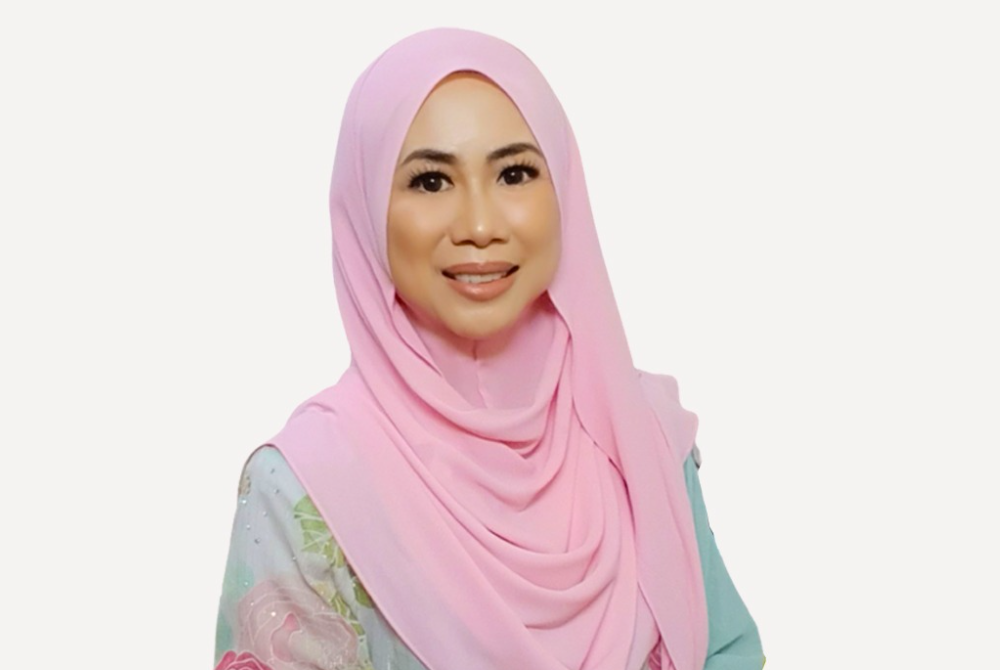
“But if periods remain very irregular two to three years after puberty, or if cycles are consistently months apart, it may be time for further assessment," she explains.
She says persistent acne, worsening facial or body hair growth, unexplained weight gain, scalp hair thinning, or darkened skin around the neck and underarms can also be warning signs. However, she cautions against jumping to conclusions.
PCOS renamed to PMOS
Adding to the shift in understanding is a growing international movement to rename the condition as Polyendocrine Metabolic Ovarian Syndrome (PMOS).
“The old name made many people think the condition was mainly about ovarian cysts,” says Dr Maiza.
“In reality, it is a lifelong endocrine-metabolic-reproductive condition affecting women from head to toe.”
She explains that PMOS better reflects the condition's wider impact on hormones, ovulation, skin and hair health, insulin resistance, weight regulation, fertility, pregnancy outcomes, mental health and long-term cardiometabolic health.
“The global consensus is that the old name contributed to missed diagnosis, fragmented care and stigma.
“This is not just a rebrand, but a shift in how we see, diagnose and treat women with PMOS," she says.
“PCOS / PMOS in teenagers should not be diagnosed based on ultrasound alone because ovaries can normally look multicystic during puberty,” she says.
“Doctors look at a combination of menstrual irregularity and signs of hormonal imbalance before making a diagnosis.”
Beyond the physical symptoms, Dr Maiza says the emotional impact of the condition is often overlooked.
Studies have shown that women with PCOS face significantly higher rates of anxiety and depression, while teenagers may struggle with body image concerns and low self-esteem.
“What we are increasingly recognising is that PCOS is not just about future fertility,” she says.
“It can affect metabolic health, self-esteem, body image and mental wellbeing, in addition to increasing long-term risks for diabetes and cardiovascular disease.”
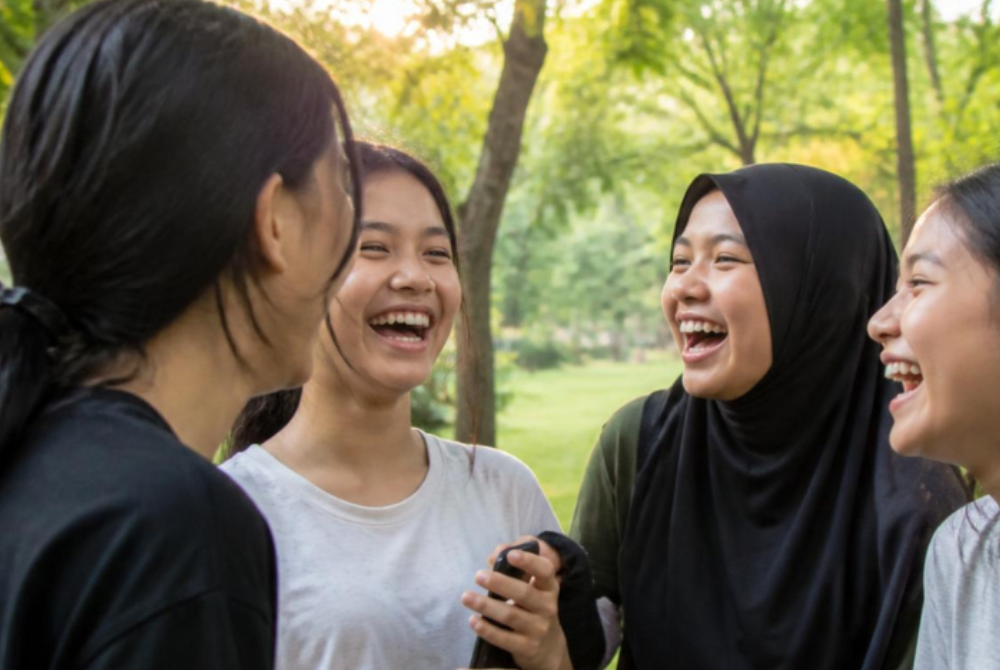
For parents, awareness remains crucial. Dr Maiza encourages families to pay attention when symptoms persist rather than assuming they are simply part of adolescence. Irregular periods that continue years after puberty, severe acne, excess hair growth, unexplained weight gain, scalp hair thinning and darkened skin around the neck or underarms should not be ignored.
“Early assessment is not about labelling a teenager.
“It is about recognising a possible hormonal and metabolic imbalance early, so support and appropriate intervention can begin," she says.
Most importantly, she wants families to approach the condition without fear or stigma.
“PMOS is not a label of failure or infertility.
“When families understand the condition better, teenagers are more likely to seek help early, feel supported, and grow up with healthier confidence in their own bodies," says Dr Maiza.